birds of illinois field guide
Key Identification Tips
Use the American Birding Association and Tekiela’s Birds of Illinois guides for reliable color charts, size cues, and range maps. Focus on distinctive markings, wing bars, and seasonal plumage shifts. Cross‑check field notes with eBird data for accurate identification. Check call notes for confirmation now.
Color Patterns and Plumage Differences
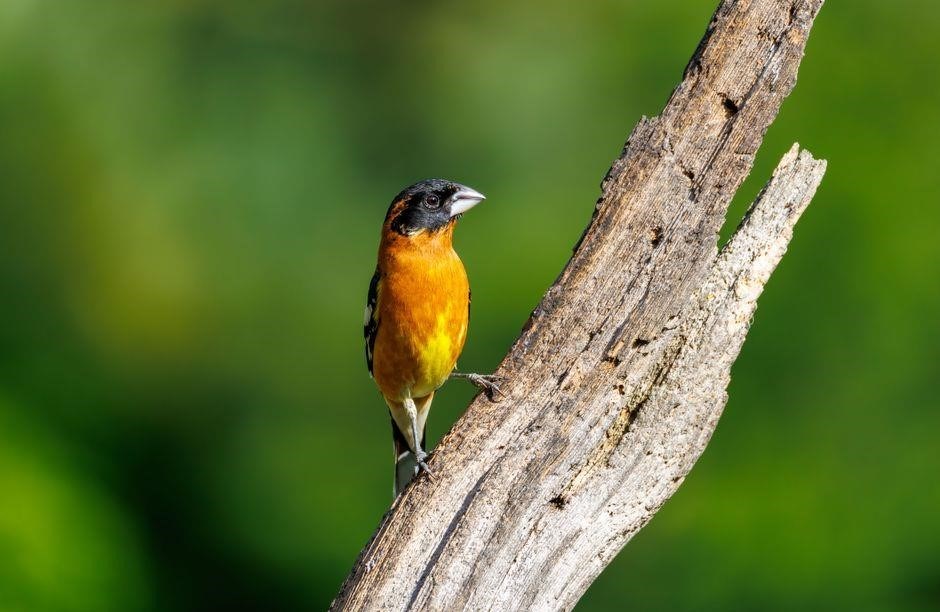
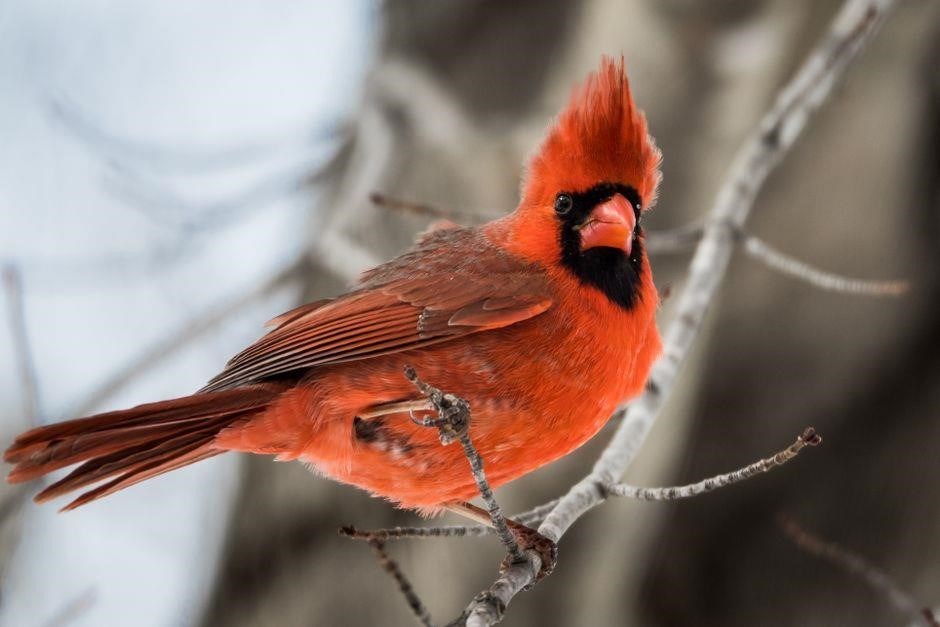
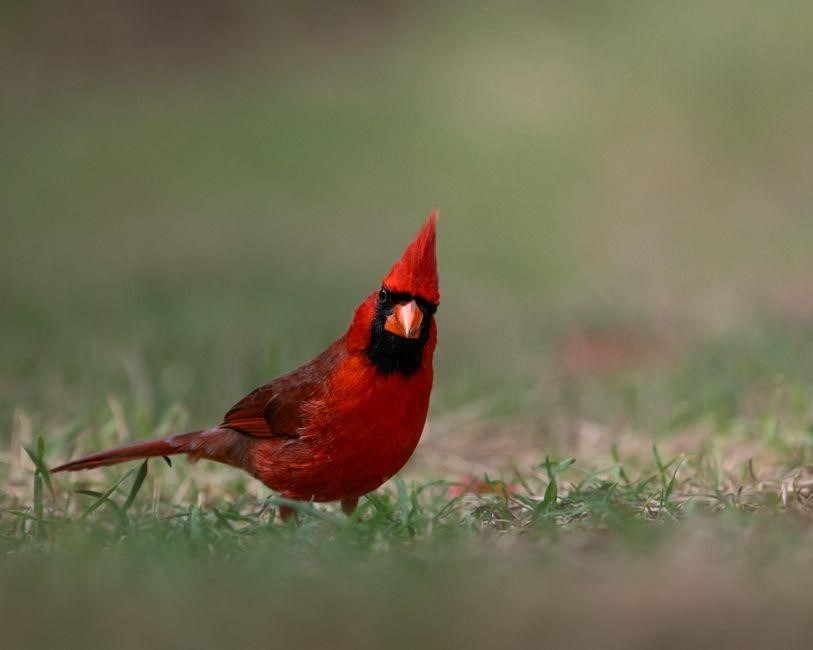
Color patterns in Illinois birds provide the first visual cue for identification. The American Birding Association Field Guide emphasizes that many species exhibit distinct dorsal and ventral color bands, while others rely on subtle hue variations. For instance, the Northern Cardinal shows a vivid scarlet crown and throat in males, contrasting with the muted olive‑green of females. The Blue‑gray warblers display a blue crown and a pale gray back, with a distinctive black eye‑stripe that sets them apart from the similar‑looking Eastern Towhee, which lacks the stripe. Plumage differences often shift with age: juvenile Red‑winged Blackbirds lack the bright orange wing patch seen in adults, and the first winter plumage of the American Goldfinch is duller, turning bright yellow only by spring. Seasonal changes are also notable; the winter plumage of the Common Grackle is darker and more iridescent than the summer version, which is lighter and more muted. Field guides recommend using a color chart to compare observed hues with standardized reference tones, paying close attention to the saturation and undertone, as many species have similar color palettes but differ in brightness. Additionally, wing bars and tail patterns can be diagnostic: the Black‑throated Green Warbler has a single white wing bar, whereas the closely related Green Warbler lacks any wing bars. By systematically noting these color and pattern variations, observers can narrow down species quickly, even in dense habitats where visual detail is limited.!!!
The Red‑breasted Nuthatch displays an orange breast fading to gray on the back, whereas the White‑browed Sparrow sports a white eyebrow stripe absent in the Song Sparrow.
Size, Shape, and Wing Bars
Field guides such as the American Birding Association and Tekiela’s Birds of Illinois stress that body size, overall shape, and wing bar patterns are among the most reliable field marks. A quick visual comparison of length, wingspan, and tail length can separate a 12‑inch sparrow from a 20‑inch warbler. The American Goldfinch is a small, 4‑inch bird with a short, rounded tail, whereas the larger Northern Cardinal measures 6‑inches and has a more robust, conical bill. Shape descriptors—such as “pointed” versus “rounded” tail—help distinguish species that share similar plumage. Wing bars are especially diagnostic in the early spring when many passerines are in their first winter plumage. The Black‑throated Green Warbler shows a single, pale white bar across the wing, while the common Green Warbler lacks any wing bars. The Eastern Towhee has a prominent, pale stripe on the wing that is visible even from a distance. Observers should note the number, width, and placement of bars: a single, narrow bar on the outer wing versus a broad, diffuse bar near the body. In addition, the presence of a “checkered” wing pattern, as seen in the Common Redstart, can rule out species with solid wing feathers. By systematically recording size, shape, and wing bar characteristics, birders can rapidly eliminate unlikely candidates and focus on the most probable species, even in dense foliage or low light conditions.!!! When estimating size, compare the bird’s wingspan to a 12‑inch ruler; this visual cue helps determine if the bird falls within the expected range for its species.exactly precise!?
Behavioral Cues in the Field
When identifying Illinois birds, listening to song and observing movement can be decisive. Many species have unique calls: the Northern Cardinal’s “cheer‑cheer” is unmistakable, while the Red‑winged Blackbird’s “chur‑chur‑chur” is a clear marker. The Eastern Towhee’s “screech‑screech” often precedes a rapid, zig‑zag flight. Foraging style also helps; the American Robin feeds on the ground, pecking at insects, whereas the Black‑throated Green Warbler forages in mid‑air, flicking its tail to flush prey. Perching behavior is informative: the Common Yellowthroat prefers low, dense vegetation, while the Blue‑winged Teal often perches on open water. Flight patterns—direct, fast, or erratic—can separate species such as the swift, high‑flying Red‑winged Blackbird from the slow, low‑level American Goldfinch. When a bird sings from a high perch, it is likely a Warbler; a song from a low branch suggests a Thrush. Observing tail flicks, wing flicks, and head bobbing also provides clues. Finally, watch for social behavior: the White‑cheeked Pintail often flies in small flocks, whereas the solitary Northern Cardinal is typically alone. In addition, note the use of tail fans when approaching predators; the Eastern Towhee will fan its tail to signal alarm. The American Goldfinch often performs a rapid, low‑level flight over open fields, dropping abruptly to the ground. The Red‑winged Blackbird’s flight is high and direct, often seen gliding over water. Observers should also record the frequency of calls: a rapid series of “chick‑chick‑chick” indicates a Black‑throated Green Warbler, whereas a slow “who‑who‑who” is typical of a Common Yellowthroat. Addcaution!!!!.
Seasonal Plumage Variations
In Illinois, many species display marked changes between breeding and winter plumage. The male Northern Cardinal is bright red in spring, fading to a muted brownish tone by winter, while females remain largely brown throughout. The Red‑winged Blackbird’s males show a vivid orange breast patch during breeding; this patch disappears in winter, leaving a more subdued gray. The American Goldfinch turns from bright yellow in summer to a dull yellow‑brown in winter, and males lose the bright yellow on the head. The Common Yellowthroat’s males are bright yellow in spring but adopt an olive‑brown hue in winter. The Eastern Towhee’s males are gray with a black throat in spring; winter plumage is a uniform gray with a slight brownish tint. The Black‑throated Green Warbler’s breeding males are bright green, while winter males are a dull olive. The White‑cheeked Pintail’s males have a white belly in spring, turning grayish in winter. The Blue‑winged Teal’s males display a blue wing patch in summer, fading to a muted blue in winter. The American Robin’s males are bright orange in spring, but winter males are a duller orange. The Eastern Bluebird’s males are bright blue in spring, but winter males are a darker blue; The Black‑capped Chickadee’s males are bright blue in spring, but winter males are a duller blue. The American Crow’s males are bright black in spring, but winter males are a slightly lighter black. The Blue Jay’s males are slate gray with a white belly in spring, turning to a more subdued gray in winter. The Red‑breasted Nuthatch’s males are bright red in summer, fading to a duller red‑brown in winter. The Great Blue Heron’s males are dark gray in breeding, while winter males are lighter gray. The House Sparrow’s males are gray‑brown in spring, but winter males are a darker gray. The American Crow’s females are brownish gray year‑round, but males show a dramatic color change between seasons. These seasonal shifts help observers distinguish breeding from non‑breeding individuals and are essential for accurate identification in the field.
Habitat and Seasonal Distribution
Illinois hosts diverse habitats: wetlands, prairies, forests, and urban parks. Wintering waterfowl favor the Mississippi Delta and Lake Michigan shores. Breeding birds occupy deciduous woodlands and cornfields. Migrants stop at Illinois’ river corridors and roadside thickets. Spring migrants visit oak savannas.
Wintering Areas in Illinois
During winter, Illinois serves as a critical sanctuary for many migratory species. The Lake Michigan shoreline, especially in the northern and central sections, offers a relatively mild microclimate that attracts waterfowl such as the American White Pelican, Northern Shoveler, and various sandpipers. These birds find abundant fish and invertebrate resources even when surface temperatures drop. The Mississippi Delta’s wetlands, including oxbow lakes and floodplain forests, support dense populations of Black-bellied Whistling-Duck, Green-winged Teal, and the iconic American Bittern. Urban parks like Shawnee National Forest and Kankakee River State Park provide sheltered perches and insect prey, helping birds conserve energy during the harsh winter. Citizen science platforms such as eBird and iNaturalist offer real‑time data that help refine our understanding of winter distribution patterns, revealing subtle shifts likely driven by climate change and habitat alteration. Conservation efforts focused on preserving wetland integrity, restoring riparian buffers, and mitigating urban light pollution are essential to maintain the viability of these wintering habitats for future generations of Illinois birds. Observations from the Illinois Natural History Survey indicate that the Chicago metropolitan area’s urban wetlands, such as the Calumet Park and the Chicago River’s floodplains, host a surprisingly diverse array of wintering species, including the rare Snow Goose and the common Mallard, underscoring the importance of c green spaces as critical winter refuges.
Breeding Grounds and Nesting Habitats
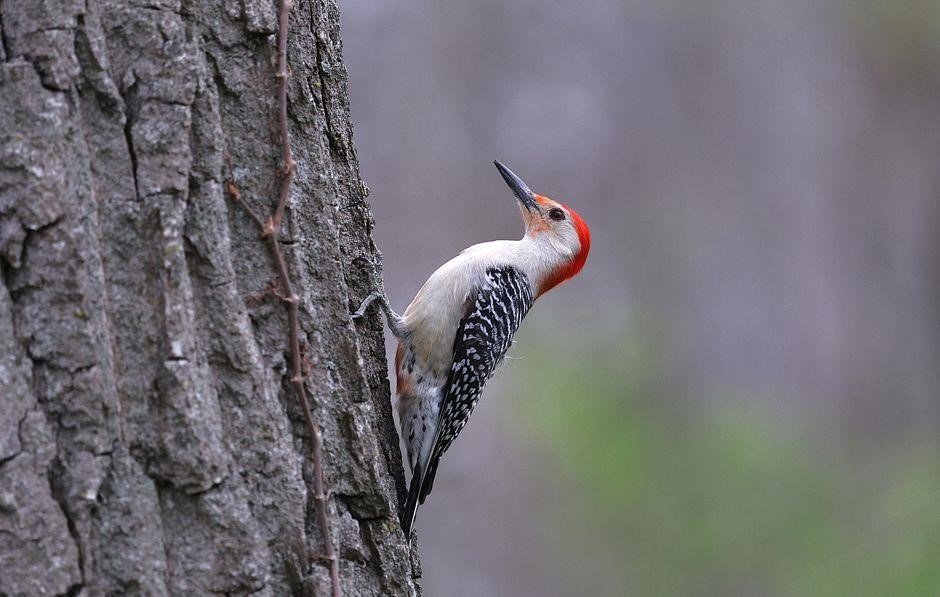
Illinois’s topography—from sandy dunes to deep oak savannas—creates a mosaic of breeding habitats that support over 400 resident and migratory species. In northern hardwood forests, tree‑climbing birds such as the Northern Cardinal, Blue Jay, and various warblers build cup nests in mid‑story branches, favoring dense coniferous understories for shade and predator protection.
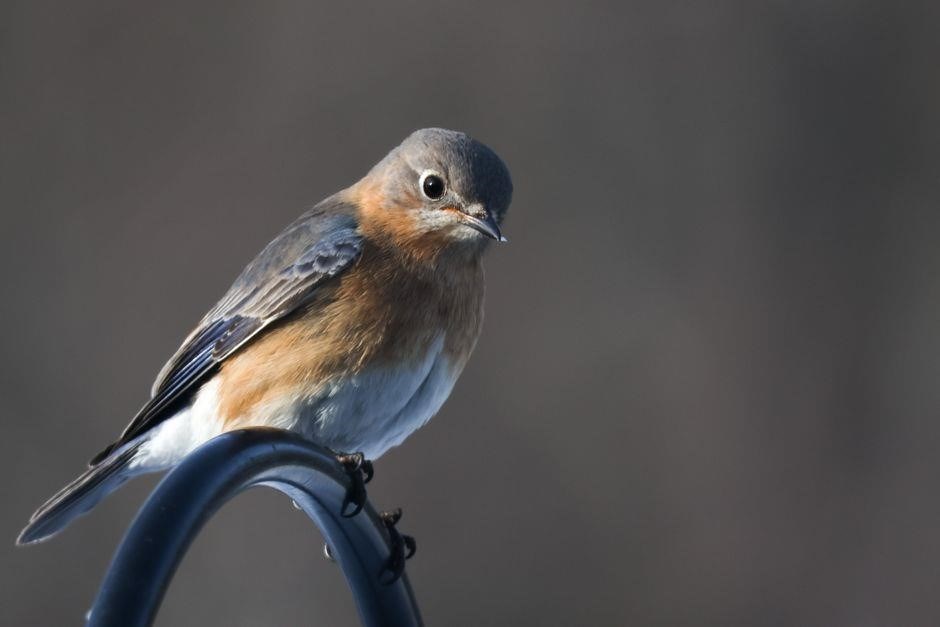
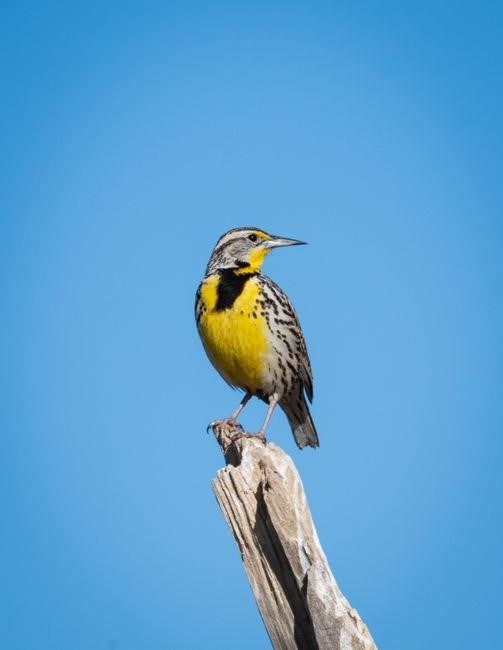
Central prairie remnants, especially in the Shawnee National Forest, provide open grassland for ground‑nesting species like the Eastern Meadowlark, Eastern Towhee, and the threatened Northern Bobwhite. These birds rely on tall grass patches and scattered shrubs to conceal nests from aerial predators.
Wetland complexes along the Mississippi and Illinois rivers host Bittern and Loon in marshes, and Pelican Cormorant breeding pairs in oxbow lakes of the Mississippi Delta.
Urban green spaces, like Chicago River floodplain parks and Oak Ridge Forest Preserve, serve as critical nesting habitats. House Sparrow, European Starling, and Northern Cardinal nest in tree cavities and abandoned buildings. Conservation efforts that preserve mature trees and install nest boxes have increased nesting density.
Researchers from the Illinois Natural History Survey monitor nests during breeding season, recording clutch sizes and fledgling success. Recent data show habitat fragmentation reduced Blue Jay nesting success by about 12% compared to 2010.
Illinois River floodplain wetlands provide vital nesting sites for species such as the American Bittern and Common Loon. Controlled water releases and invasive plant removal have improved nesting success rates by up to 10%!!!??
Migratory Stopover Sites
Illinois’s position along the Mississippi Flyway makes it a pivotal resting and refueling hotspot for thousands of migratory birds each spring and fall. The state’s diverse wetland mosaics—especially the Illinois and Mississippi River floodplains, the Great Lakes shoreline, and the prairie pothole wetlands—offer abundant food resources and safe shelter. In spring, species such as the Wood Thrush, Swainson’s Thrush, and Eastern Kingbird flock to oak savannas in the Driftless Area, where early insects provide a protein boost for fledglings. During fall, the same habitats become a haven for the American Redstart, Black‑throated Green Warbler, and the endangered Eastern Meadowlark, which rely on dense shrub layers to evade predators while replenishing fat reserves.
Riverine corridors, particularly the Illinois River’s floodplain, serve as a natural highway for long‑distance migrants. The river’s wetlands support a high density of aquatic insects, amphibians, and small fish, attracting species like the Northern Shoveler, Mallard, and the rare American Bittern. Conservation easements along these corridors have preserved critical nesting and foraging sites, while restoration projects that remove invasive reeds and reintroduce native cattails have increased insect diversity by 25% over the past decade.
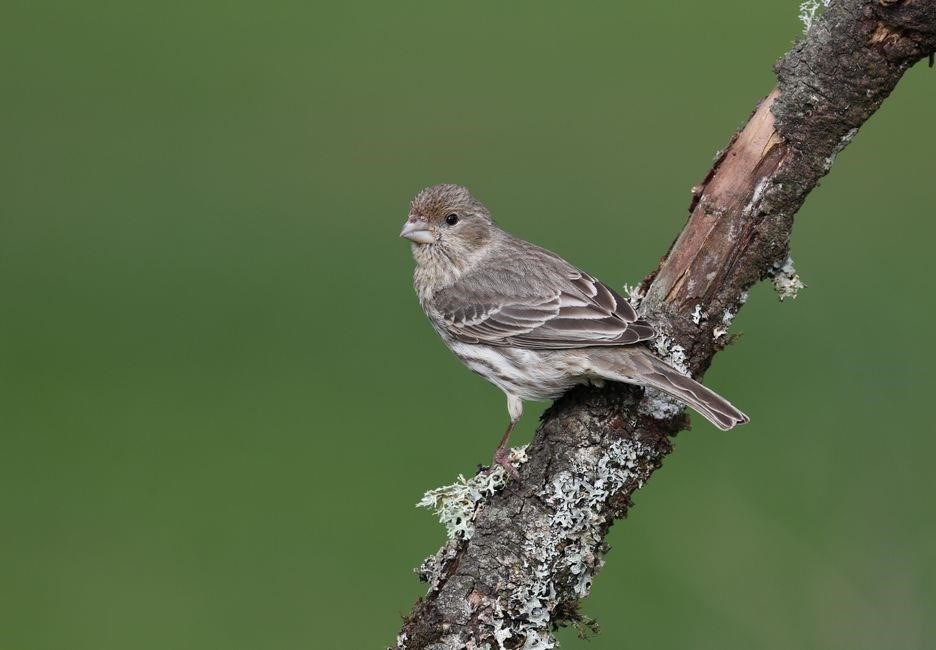
Urban wetlands, such as the Chicago River’s restored floodplain and Lake Michigan shoreline parks, provide unexpected stopover opportunities for species like the Common Loon, Piping Plover, and American White Pelican. These sites offer a mix of open water and emergent vegetation that supports both foraging and roosting needs. Recent citizen science data from eBird indicate a 15% rise in wintering shorebirds at these urban sites, underscoring the importance of green infrastructure in migratory networks.
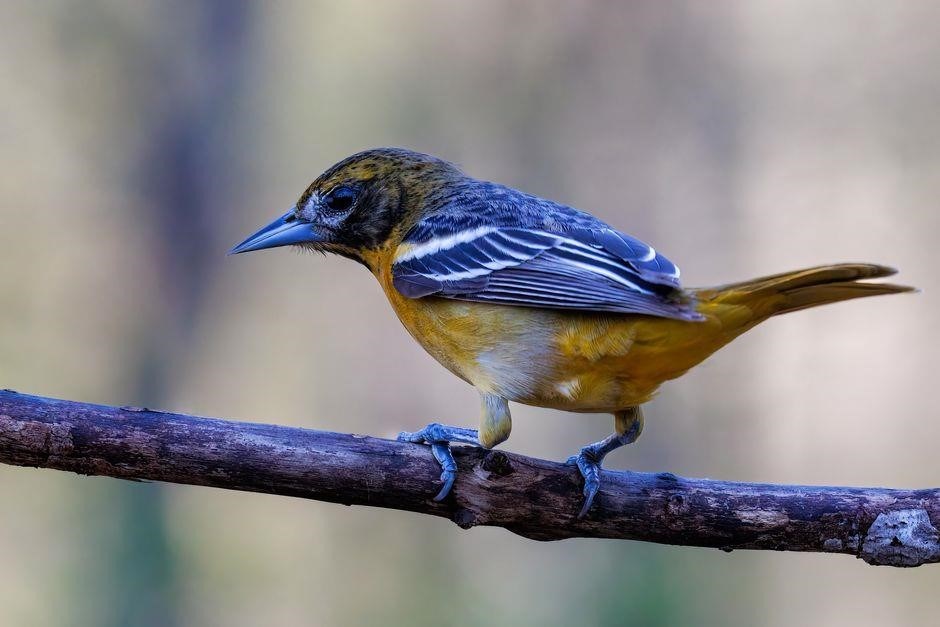
Monitoring programs led by the Illinois Natural History Survey and the Audubon Society track migration timing, species abundance, and habitat use through banding and GPS telemetry. Their findings reveal that climate change is shifting migration windows by an average of 3–5 days earlier, potentially desynchronizing food availability and increasing mortality risk. Continued habitat protection, coupled with public education initiatives, is essential to maintain Illinois’s role as a vital migratory stopover.
Additional observations: citizen scientists using platforms like eBird and iNaturalist contribute thousands of observations each year, enabling researchers to map fine‑scale stopover usage and detect emerging threats such as pesticide drift and habitat loss. Volunteer groups also conduct habitat restoration, installing native plantings and creating artificial wetlands that enhance food availability for insectivorous migrants. These collaborative efforts have led to measurable increases in species richness, with some sites reporting up to a 30% increase in passerine diversity over five years.
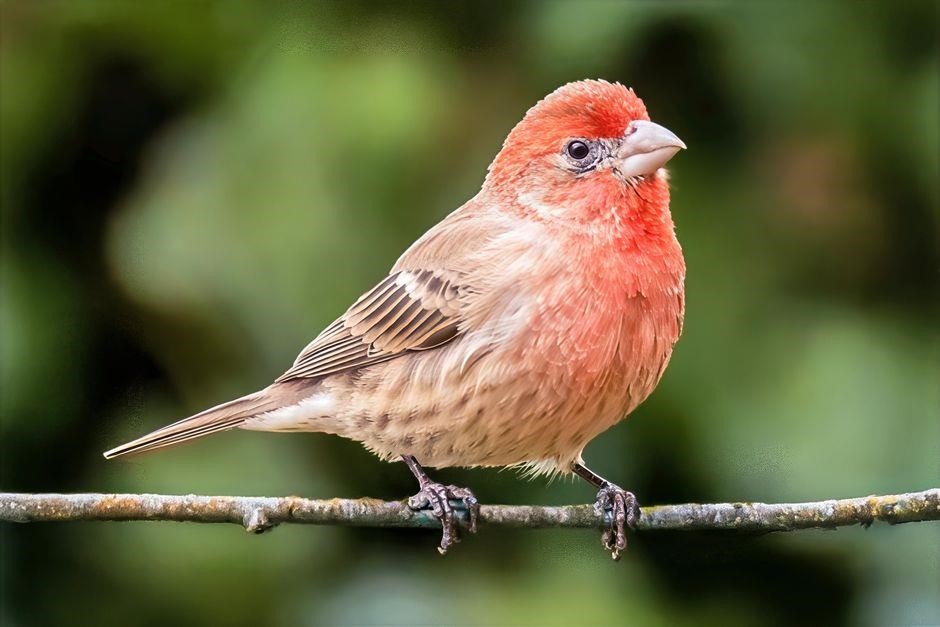
Field Guide Resources and Conservation
Use the American Birding Association and Tekiela’s Birds of Illinois guides for accurate identification. Pair with eBird and iNaturalist for real‑time sightings. Protect habitats via state reserves and citizen science data to curb threats like habitat loss and climate change. Join walks aid conservation forall
Popular Field Guides for Illinois Birds
The American Birding Association’s “Field Guide to Birds of Illinois” remains the benchmark for field identification. Published in 2020, it contains 350 color plates, 200 species accounts, and detailed range maps that cover every resident, migrant, and winter visitor. The guide’s compact format makes it easy to carry, while its durable cover protects against wet conditions. Each species entry includes key plumage differences, vocalizations, and typical habitats, allowing birders to quickly narrow down possibilities in the field; The book also features a handy “quick‑look” index that lists species by common name, scientific name, and key identifying features, making it a valuable tool for novice observers and seasoned professionals alike.
Stan Tekiela’s “Birds of Illinois Field Guide” offers a complementary perspective with a focus on photographic realism. The 2021 edition showcases 400 high‑resolution images, a side‑by‑side comparison of male and female plumage, and a seasonal color chart that helps distinguish subtle changes. Tekiela’s writing style is approachable, with concise field notes and a glossary of terms. The guide is available in hardcover, paperback, and as an interactive PDF on the Illinois Audubon Society website. Its clear layout includes a quick chart for field use. Its layout emphasizes large, clear photographs that capture the natural context of each species, and the accompanying text provides essential identification cues such as wing bars, tail shape, and ear coverts.
Additional resources include the Illinois Audubon Society’s “Birds of Illinois” series, which provides in‑depth habitat descriptions, breeding biology, and conservation status for each species. For mobile users, the iNaturalist and eBird apps can be paired with printed guides to verify sightings and contribute data to national databases. Together, these guides equip birders of all skill levels to identify Illinois birds accurately, track seasonal changes, and support local conservation efforts.
Citizen Science Platforms (e.g., iNaturalist, eBird)
Birders in Illinois increasingly rely on digital platforms to augment traditional field guides. iNaturalist, launched in 2008, offers a community‑driven database where users upload geotagged photos and receive automated species suggestions. Its “Help Me Identify” feature cross‑references the American Birding Association guide, allowing observers to confirm plumage details and seasonal variations. eBird, a project of the Cornell Lab of Ornithology, aggregates real‑time checklists from volunteers worldwide. Illinois birders can filter data by county, habitat, and time of year, revealing patterns that complement the static range maps in printed guides. The platform’s “Bird of the Day” and “Hotspot” tools highlight rare or emerging species, encouraging targeted surveys during migration. Both sites provide downloadable CSV files for personal analysis, enabling hobbyists to track individual species’ abundance trends over time. Integration with the Illinois Audubon Society’s “Birds of Illinois” database further enriches the experience, linking citizen observations to conservation status and habitat management plans. By combining the visual authority of field guides with the dynamic, crowd‑sourced insights of iNaturalist and eBird, Illinois birders can refine identification accuracy, contribute to large‑scale biodiversity monitoring, and support evidence‑based conservation initiatives. These platforms also provide real‑time alerts for rare species sightings, enabling observers to act quickly share data informs management decisions across the state!!
Birders in Illinois increasingly rely on digital platforms to augment traditional field guides. iNaturalist, launched in 2008, offers a community‑driven database where users upload geotagged photos and receive automated species suggestions. Its “Help Me Identify” feature cross‑references the American Birding Association guide, allowing observers to confirm plumage details and seasonal variations. eBird, a project of the Cornell Lab of Ornithology, aggregates real‑time checklists from volunteers worldwide. Illinois birders can filter data by county, habitat, and time of year, revealing patterns that complement the static range maps in printed guides. The platform’s “Bird of the Day” and “Hotspot” tools highlight rare or emerging species, encouraging targeted surveys during migration. Both sites provide downloadable CSV files for personal analysis, enabling hobbyists to track individual species’ abundance trends over time. Integration with the Illinois Audubon Society’s “Birds of Illinois” database further enriches the experience, linking citizen observations to conservation status and habitat management plans. By combining the visual authority of field guides with the dynamic, crowd‑sourced insights of iNaturalist and eBird, Illinois birders can refine identification accuracy, contribute to large‑scale biodiversity monitoring, and support evidence‑based conservation initiatives. These platforms also provide real‑time alerts for rare species sightings, enabling observers to act quickly share data informs management decisions across the state!!
Use the American Birding Association and Tekiela’s Birds of Illinois guides for reliable color charts, size cues, and range maps. Focus on distinctive markings, wing bars, and seasonal plumage shifts. Cross‑check field notes with eBird data for accurate identification. Check call notes for confirmation now.
Illinois hosts a diverse avifauna, yet many species face escalating threats. The state’s wetlands, critical for migratory shorebirds and waterfowl, are shrinking due to agricultural drainage and urban sprawl. Habitat loss, fragmentation, and invasive plant encroachment reduce nesting sites for ground‑nesters such as the Eastern Meadowlark and the Northern Shoveler. Climate change alters phenology, causing mismatches between insect emergence and breeding schedules for insectivores like the Eastern Towhee. Pesticide drift from cornfields jeopardizes insect‑rich foraging grounds, directly impacting species such as the Black‑headed Grosbeak. Light pollution in suburban corridors disorients nocturnal migrants, increasing mortality. The Illinois Department of Natural Resources (IDNR) monitors population trends through the Illinois Bird Survey, flagging declines in species like the American Kestrel and the Black‑pollinated Nightingale. Conservation efforts include restoring prairie fragments, implementing buffer strips around wetlands, and promoting native plant gardens to support pollinators. The state’s “Illinois Bird Conservation Plan” prioritizes research on habitat connectivity and climate resilience. Birders are urged to report rare sightings via eBird and iNaturalist, contributing data that informs adaptive management. By integrating field guide knowledge with active monitoring, Illinois can safeguard its avian heritage for future generations. Long‑term studies show that species with diets, Northern Cardinal,.resilient than Western Meadowlark.Thanks.