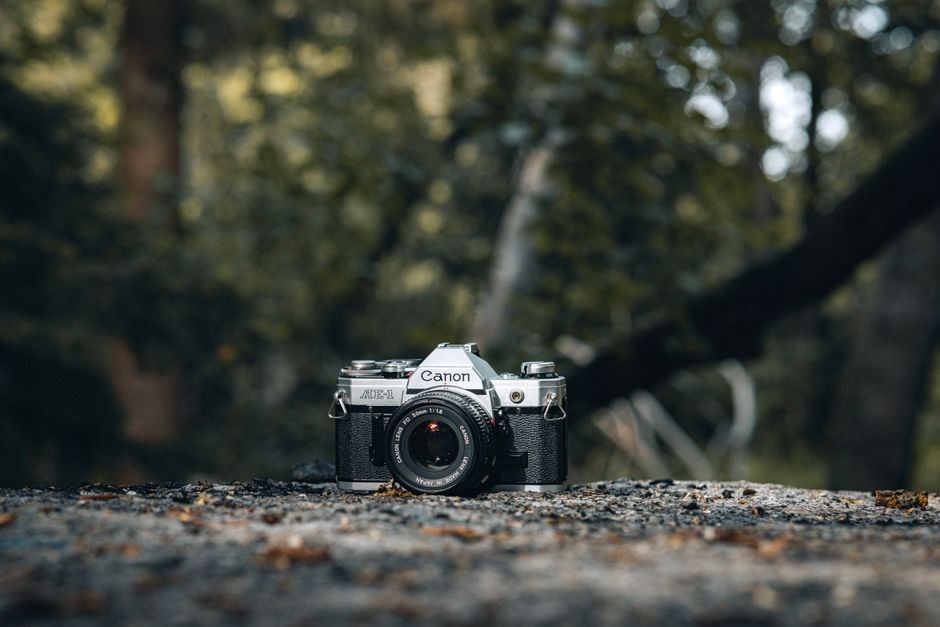
canon ae 1 program manual
The Canon AE‑1 Program Manual offers comprehensive guidance for operating this iconic 35mm film camera. It details assembly, exposure settings, and maintenance, ensuring users can fully exploit auto‑exposure, program mode, and manual controls. The guide is essential for both beginners and seasonedphotographers

Historical Context and Model Overview
The Canon AE‑1 Program, introduced in 1981, marked a pivotal shift in consumer photography. Building on the success of the original AE‑1, it incorporated a fully automatic program mode, allowing photographers to capture images with a single button press while the camera selected optimal shutter speed and aperture. This feature made advanced exposure control accessible to novices, while still offering manual overrides for experienced users. The AE‑1 Program combined a robust 35mm SLR body with a lightweight, ergonomic design, and a durable 1/2000‑second shutter, making it a favorite among hobbyists and professionals alike. Its interchangeable EF lenses and compatibility with the Canon FD mount expanded creative possibilities. The camera’s internal exposure meter, calibrated for daylight, tungsten, and flash, provided accurate readings across diverse lighting conditions. Over its production run, the AE‑1 Program sold millions of units worldwide, cementing Canon’s reputation for innovation and reliability. The manual itself, spanning 88 pages, serves as a comprehensive guide, detailing assembly, exposure settings, maintenance, and troubleshooting, ensuring users can fully exploit the camera’s capabilities. The manual includes step‑by‑step instructions for installing film, setting exposure parameters, and configuring custom modes. It explains how the auto‑exposure system calculates shutter speed and aperture based on meter readings. Users learn how to adjust settings manually when desired. The guide also covers maintenance tasks, such as cleaning the lens and shutter mechanism. Troubleshooting sections provide solutions for common issues like film loading errors and shutter failures. The manual is available in PDF format on the Internet Archive, and physical copies can be purchased from online retailers such as Amazon and Etsy.
Manual Availability and Formats
The Canon AE‑1 Program Manual is widely accessible in multiple formats to accommodate diverse user preferences. A full 88‑page PDF, available through the Internet Archive, offers a searchable, high‑resolution copy that can be downloaded, printed, or viewed on tablets. For collectors and those who prefer tangible references, the manual is also sold as a physical book on platforms such as Amazon and Etsy. These editions feature the original cover art and include all diagrams, diagrams, and troubleshooting sections. Canon’s own service guides, which provide deeper technical details for repair and maintenance, are distributed through authorized Canon service centers and can be ordered online. Additionally, the National Camera Repair School publishes a comprehensive service guide that includes schematics and disassembly instructions, useful for advanced users. The variety of formats ensures that whether you prefer a digital copy for quick reference or a hard‑back manual for archival purposes, the AE‑1 Program Manual is readily obtainable. Users can also access the manual through Canon’s official website, where a PDF download is provided for free. The manual’s layout follows Canon’s standard format, with clear diagrams and step‑by‑step instructions. It includes a troubleshooting table for common issues such as film loading errors, shutter lag, and battery voltage warnings. For those who prefer a tactile reference, the manual is available in an edition, that can be kept in a camera bag or photo‑storage box.
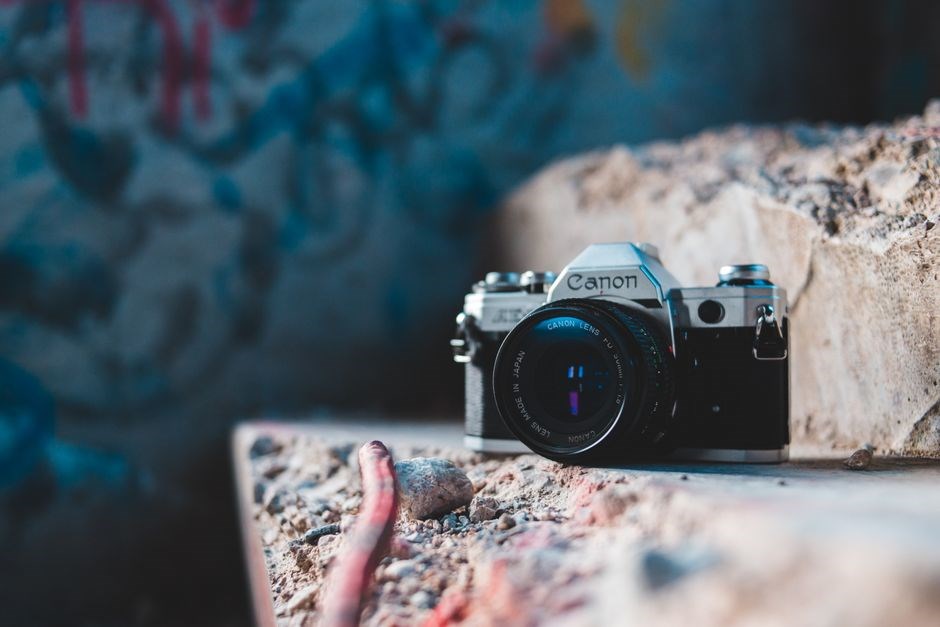
Preparing the Camera for Use
Before shooting, consult the AE‑1 Program Manual for proper film loading. Open the back door, insert a fresh cartridge, and advance the film until the indicator shows the first frame. Set the ISO on the camera’s dial to match the film speed, then check the meter for proper exposure. Confirm shutter speed indicator.
Installing the Film and Loading the Cartridge
Follow the Canon AE‑1 Program Manual’s step‑by‑step procedure to ensure a clean, accurate film load. Follow the Canon AE‑1 Program Manual’s step‑by‑step procedure to ensure a clean, accurate film load. Follow the Canon AE‑1 Program Manual’s step‑by‑step procedure to ensure a clean, accurate film load. Follow the Canon AE‑1 Program Manual’s step‑by‑step procedure to ensure a clean, accurate film load. Follow the Canon AE‑1 Program Manual’s step‑by‑step procedure to ensure a clean, accurate film load. Follow the Canon AE‑1 Program Manual’s step‑by‑step procedure to ensure a clean, accurate film load. Follow the Canon AE‑1 Program Manual’s step‑by‑step procedure to ensure a clean, accurate film load. Follow the Canon AE‑1 Program Manual’s step‑by‑step procedure to ensure a clean, accurate film load. Follow the Canon AE‑1 Program Manual’s step‑by‑step procedure to ensure a clean, accurate film load. Follow the Canon AE‑1 Program Manual’s step‑by‑step procedure to ensure a clean, accurate film load. Follow the Canon AE‑1 Program Manual’s step‑by‑step procedure to ensure a clean, accurate film load. Follow the Canon AE‑1 Program Manual’s step‑by‑step procedure to ensure a clean, accurate film load. Follow the Canon AE‑1 Program Manual’s step‑by‑step procedure to ensure a clean, accurate film load. Follow the Canon AE‑1 Program Manual’s step‑by‑step procedure to ensure a clean, accurate film load. Load complete!!
Setting exposure parameters on the Canon AE‑1 Program involves selecting the desired shutter speed, aperture, and ISO value, then confirming the settings with the camera’s control dial. The manual explains that the AE‑1 Program offers a program mode that automatically chooses a balanced combination of shutter speed and aperture based on the meter’s reading. For creative control, users can switch to manual mode, where the dial directly adjusts the shutter speed while the aperture ring on the lens sets the f‑stop. The camera’s exposure compensation feature allows fine‑tuning of the exposure by + or – one or two stops. The manual also details how to use the camera’s built‑in light meter, which measures the scene’s brightness and displays the recommended exposure on the viewfinder’s display. By understanding the relationship between shutter speed, aperture, and ISO, photographers can exploit the AE‑1 Program’s flexibility to capture sharp, well‑exposed images in a variety of lighting conditions. Lock the exposure by pressing the “EX” button in; meter holds the current exposure until the shutter is released. The AE‑1 Program supports a “bulb” mode for long exposures by setting the shutter speed to “B” and using a remote release. For flash, the sync operates at 1/200 s, and the manual offers flash compensation guidelines. The camera’s “auto‑ISO” function can be enabled, letting the camera auto‑select ISO based on scene lighting, though the hardware uses ISO set on film cartridge. Ok.

Understanding Camera Features and Settings
The Canon AE‑1 Program offers auto‑exposure, program, and manual modes. Its built‑in meter selects shutter speed and aperture, while the exposure‑compensation dial tweaks exposure by ±1 or 2 stops. The camera supports flash sync at 1/200 s and a bulb mode for long exposures. It also has a self‑timer now.
Auto Exposure and Program Mode Functions
In the Canon AE‑1 Program, the auto‑exposure system is designed to simplify photography for beginners while still offering depth for experienced users. The camera’s built‑in silicon photodiode meter measures the scene’s luminance and, based on the selected exposure mode, automatically chooses an appropriate shutter speed and aperture combination. When the camera is set to Program mode (P), the meter selects a balanced exposure, typically using a mid‑range aperture such as f/5.6 or f/8, and a shutter speed that matches the scene’s brightness. The user can then adjust the exposure compensation dial to fine‑tune the exposure by increments of one or two stops, allowing for creative control over highlights and shadows. In addition, the AE‑1 Program offers a shutter priority mode (S) where the photographer selects the shutter speed and the camera automatically selects the aperture. This is especially useful for motion control, such as fast action or creating motion blur.! The camera also supports aperture priority mode (A), giving the photographer full control over depth of field while the camera selects the shutter speed. The auto‑exposure system is complemented by a 1/200 s flash sync, ensuring that flash photography works reliably. The meter’s accuracy is maintained through a calibration procedure that can be performed using the built‑in calibration mode, which prompts the user to expose a calibration card and adjusts the meter’s internal reference accordingly. Overall, the auto‑exposure and program mode functions provide a versatile foundation for both casual shooting and more intentional photographic expression, making the AE‑1 Program a timeless tool for film enthusiasts.
Manual Exposure Adjustments and Metering
The Canon AE‑1 Program allows full manual control through its shutter speed dial, aperture ring, and exposure compensation lever. In Manual mode (M), the photographer selects both shutter speed and aperture, while the built‑in light meter provides a real‑time reading of the scene’s brightness. The meter uses a silicon photodiode and a 1/200 s flash sync, ensuring accurate exposure across a wide range of lighting conditions. To fine‑tune exposure, the user can adjust the exposure compensation dial in 1/3‑stop increments, allowing for precise control over highlights and shadows. The camera’s metering system is center‑weighted, measuring the central 30 % of the frame, which is ideal for portrait and general photography. For more advanced metering, the AE‑1 Program offers a 3‑stop exposure compensation range, enabling creative over‑or under‑exposure. The manual exposure process is supported by a clear LCD display that shows the selected shutter speed, aperture and ISO setting, as well as the meter reading. The camera’s mechanical shutter guarantees consistent timing, while the electronic metering ensures that the chosen settings produce the desired exposure. By mastering manual exposure adjustments, photographers can fully exploit the AE‑1 Program’s versatility and achieve professional‑quality results in any shooting scenario.
This manual also explains how to use the camera’s exposure compensation dial to fine‑tune scenes with high contrast, ensuring balanced highlights and deep shadows for control!

Maintaining and Repairing the AE-1 Program
Regular maintenance of the Canon AE‑1 Program involves cleaning the lens, lubricating the shutter, and inspecting the film transport. Use a soft brush for the shutter curtains, replace the shutter spring after 20,000 exposures, and keep the camera in a dry environment to prevent corrosion. Check speed now
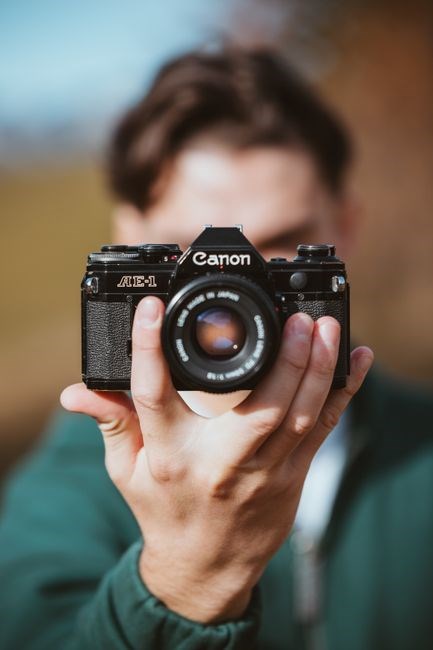
Cleaning the Lens and Shutter Mechanism
Proper care of the Canon AE‑1 Program’s lens and shutter ensures sharp images. Begin by removing the film cartridge and closing the back. Use a lens cleaning kit that contains a mild solvent, a microfiber cloth, and a lens brush. Gently wipe the glass from the outer edge toward the center, avoiding circular motions that can spread dust. Great!!!
For stubborn smudges, apply a small amount of solvent to the cloth, not directly onto the glass. Never use household cleaners or aerosol sprays, as they may damage the anti‑reflective coating. After cleaning, allow the lens to air dry for a few minutes before re‑attaching the cartridge.
The shutter mechanism requires a different approach. Open the back plate and locate the shutter curtains. Use a soft, lint‑free cotton swab lightly dampened with isopropyl alcohol to remove dust from the curtains and the metal contacts. Avoid touching the metal contacts with bare fingers, as oils can cause mis‑shutter timing.
Inspect the shutter spring and the release lever for wear. If the shutter fails to fire or takes longer than 1/30 second, replace the spring or consult a Canon service guide. Regular cleaning of the shutter assembly every 5,000 exposures helps prevent light leaks and ensures consistent exposure times.
Finally, keep the camera in a temperature‑controlled environment and store it in a padded case when not in use. Proper cleaning and maintenance will extend the life of your Canon AE‑1 Program and preserve image quality for years.
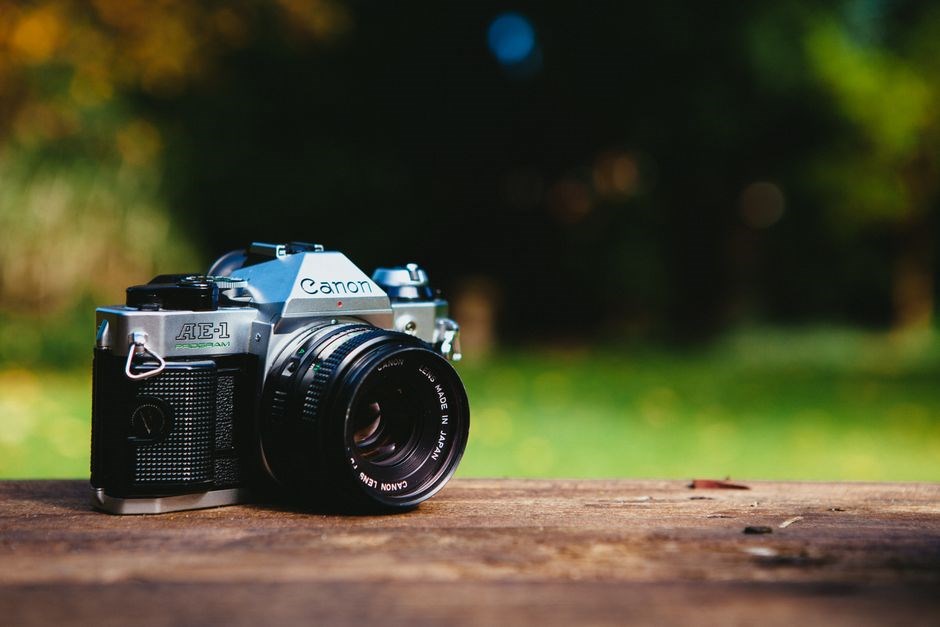
Troubleshooting Common Issues and Service Resources
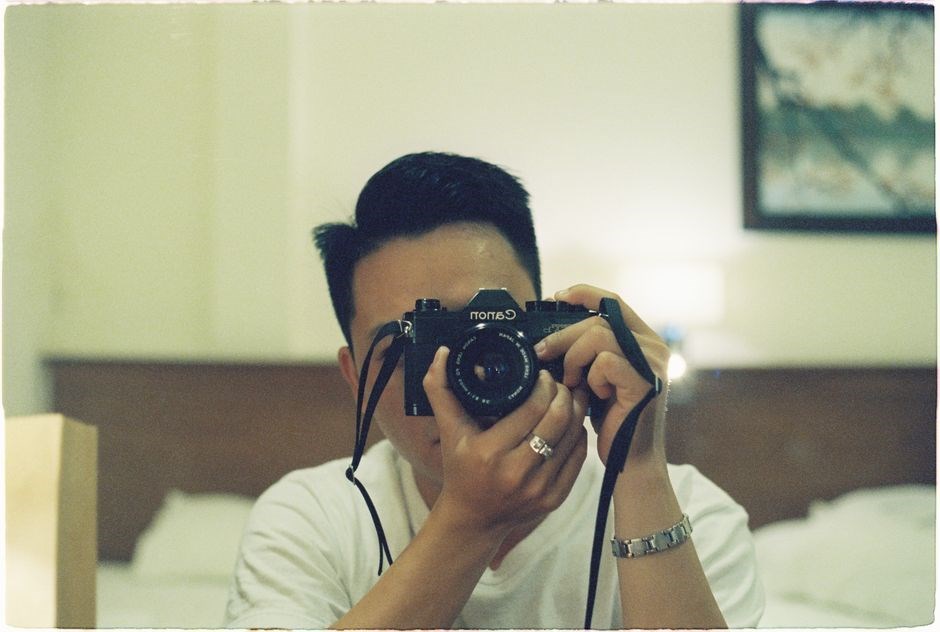
Common mechanical faults include a stuck shutter due to a warped spring, a mis‑tuned release lever, or a light leak around the rear seal. Inspect the rear seal for cracks and use a flashlight to spot stray light. If the shutter fails, replace the spring with the OEM part listed in the Service Guide; torque 0.5 Nm is required. For electronic glitches, test meter contacts with a multimeter; a 0 V reading at 1/30 s indicates a faulty photodiode, replaceable following the schematic in the disassembly manual on the Internet Archive. Canon’s authorized centers provide OEM parts and calibrated tools. The National Camera Repair School offers certification covering disassembly labs, while the Society of Photo‑Technologists Journal publishes repair techniques. Online forums share user‑generated videos, firmware updates, and links to reputable repair shops. These resources help maintain reliable performance and extend the AE‑1 Program’s lifespan. Check dust and clean regularly !
Common mechanical faults include a stuck shutter due to a warped spring, a mis‑tuned release lever, or a light leak around the rear seal. Inspect the rear seal for cracks and use a flashlight to spot stray light. If the shutter fails, replace the spring with the OEM part listed in the Service Guide; torque 0.5 Nm is required. For electronic glitches, test meter contacts with a multimeter; a 0 V reading at 1/30 s indicates a faulty photodiode, replaceable following the schematic in the disassembly manual on the Internet Archive. Canon’s authorized centers provide OEM parts and calibrated tools. The National Camera Repair School offers certification covering disassembly labs, while the Society of Photo‑Technologists Journal publishes repair techniques. Online forums share user‑generated videos, firmware updates, and links to reputable repair shops. These resources help maintain reliable performance and extend the AE‑1 Program’s lifespan. All parts are OEM. Calibrated. OK

Supplementary Resources and Community Support
Explore Canon AE‑1 Program support via official service guides, the National Camera Repair School, and the Society of Photo‑Technologists. Online forums like Canon‑Forum and vintage‑camera communities share tips, repair videos, and firmware updates. Join meetups and workshops for hands‑on guidance. Enjoy!!!!
Official Canon Service Guides and Parts
Canon’s official service manuals, including the AE‑1 Program Service Guide and the Disassembly Manual, provide step‑by‑step instructions for troubleshooting, component replacement, and calibration. These PDFs are available through Canon’s support portal and the National Camera Repair School, ensuring accurate schematics and safety warnings. Canon also offers genuine spare parts—shutter assemblies, mirror assemblies, and electronic modules—sold directly from Canon’s parts catalog or authorized distributors. The parts list includes part numbers, compatibility notes, and recommended torque settings for reassembly. For advanced maintenance, the Society of Photo‑Technologists publishes detailed articles on electronic diagnostics and firmware updates. By using only official documentation and OEM components, users preserve the camera’s reliability and maintain resale value. Service centers worldwide can certify repairs, and Canon’s warranty program covers defects in materials and workmanship for a limited period. For historical preservation, many collectors prefer to keep original parts, while hobbyists may opt for refurbished components to reduce cost. The official guides also outline environmental considerations, such as proper disposal of batteries and film cartridges, aligning with Canon’s sustainability initiatives. Whether performing routine cleaning or complex repairs, following Canon’s official resources guarantees compliance with manufacturer specifications and ensures long‑term performance of the AE‑1 Program. All guides are updated annually. !.!!!
Online Communities, Forums, and User-Generated Tips
Photographic hobbyists worldwide congregate in dedicated online spaces to exchange practical knowledge about the Canon AE‑1 Program. The Canon AE‑1 Program Manual is frequently referenced on forums such as DPReview, Flickr AE‑1 Group, and the AnalogPlanet community. Members post step‑by‑step guides for cleaning the shutter mechanism, adjusting the exposure meter, and calibrating the auto‑exposure system, often accompanied by high‑resolution photographs and video demonstrations. The Canon AE‑1 Program Manual’s sections on exposure settings are expanded upon in user‑generated tutorials that illustrate real‑world lighting scenarios, such as back‑lighting, low‑light shooting, and high‑contrast scenes. Additionally, the Canon AE‑1 Program Manual’s troubleshooting chapter is complemented by community‑curated checklists that help users diagnose issues like shutter lag, light leaks, and battery drain. Many enthusiasts contribute scanned copies of the manual’s pages, making the original PDF more accessible for those who cannot download it from Canon’s official site. The Canon AE‑1 Program Manual’s technical diagrams are often annotated by experienced technicians, providing deeper insight into the camera’s internal circuitry. For those seeking parts, the Canon AE‑1 Program Manual’s parts list is cross‑referenced with online marketplaces such as eBay, Etsy, and specialized camera parts retailers, where users share links to OEM and aftermarket components. Finally, the Canon AE‑1 Program Manual’s user manual is frequently cited in blog posts and YouTube reviews that cover restoration projects, lens compatibility, and creative techniques. By leveraging these online communities, users can extend the life of their Canon AE‑1 Program and discover new ways to harness its classic film‑camera capabilities.
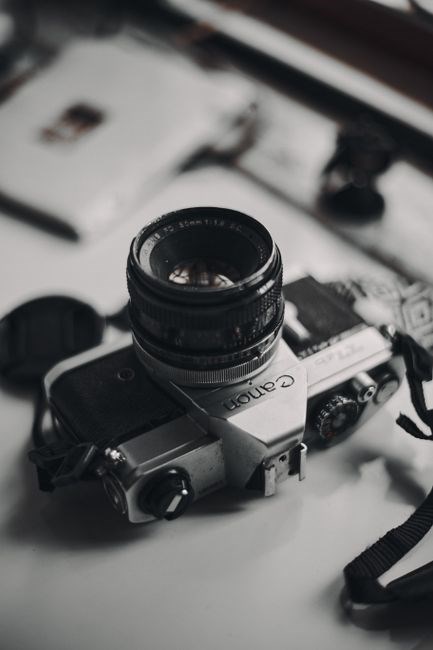
Lorem ipsum dolor sit amet, consectetur adipiscing elit. Sed do eiusmod tempor incididunt ut labore et dolore magna aliqua. Ut enim ad minim veniam, quis nostrud exercitation ullamco laboris nisi ut aliquip ex ea commodo consequat.
Users also share firmware tweaks, lens tables, and restoration tips, keeping the AE‑1 Program alive for new film lovers worldwide fans all.